

/InteDashboard_Logo_V3.png?width=166&height=42&name=InteDashboard_Logo_V3.png "InteDashboard")

How Team-Based Learning (TBL) Equipped Students with AI-Proof Skills
In 2026, we're back with our second annual InteDashboard Student Scholarship Essay Competition, inviting students of all backgrounds to share how TBL is preparing them for an AI-enabled workplace.

Larry Michaelsen
Pioneer of Team-Based Learning

Sandy Cook
Trainer-Consultant, TBLC
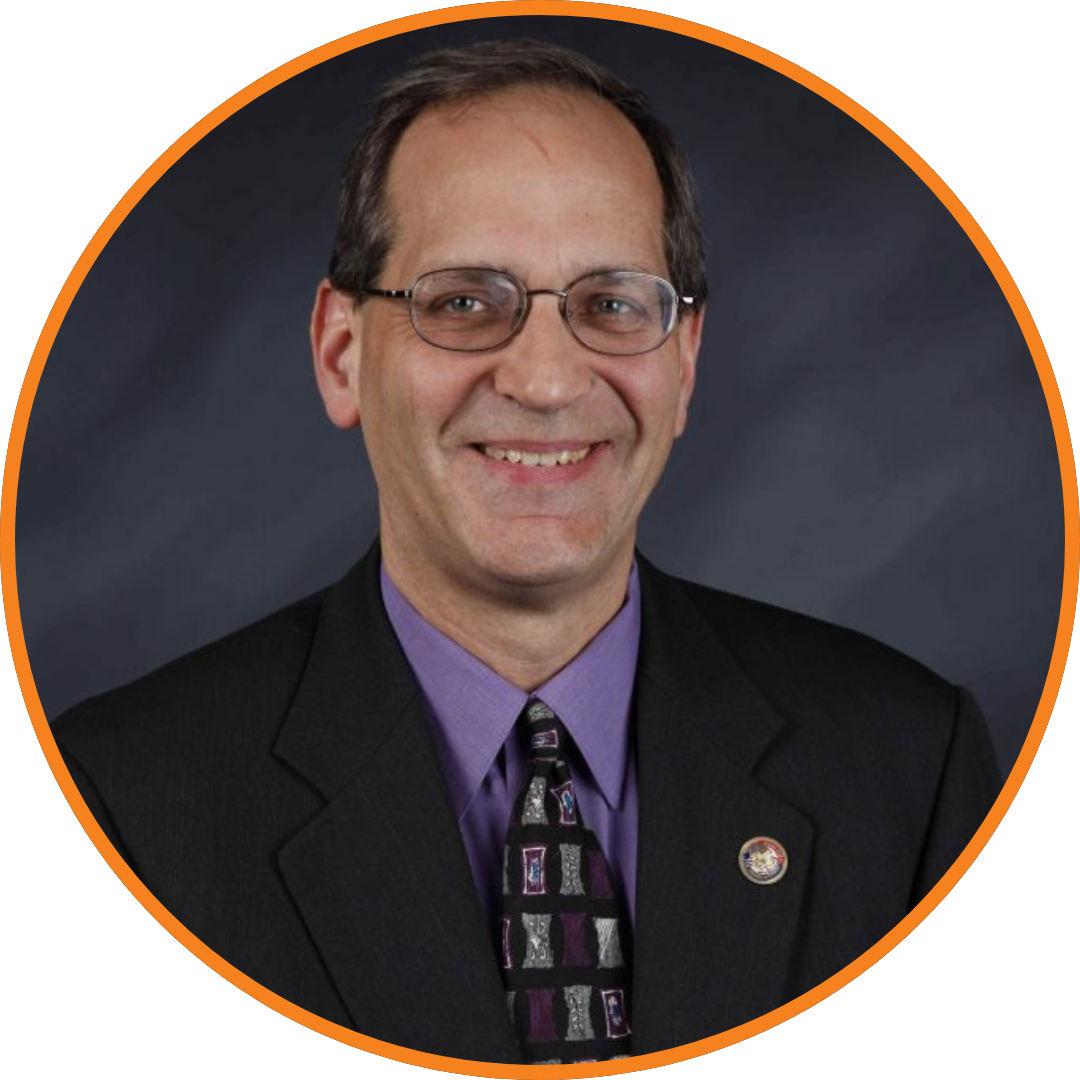
Tom Jansen
Trainer-Consultant, TBLC

1st Place
Parham Ghasemi
Deakin University, Waurn Ponds (Geelong) Campus (Australia)
A reflective essay on how TBL helps learners recognize blind spots, build accountability, and strengthen collaborative reasoning under uncertainty. The essay shows how group discussion through TBL can transform confidence into humility and better decision-making.
2nd Place
Rohit Ray
Oakland University William Beaumont School of Medicine (United States)
A thoughtful account on how TBL helps students move beyond the right answer by building trust, accountability, communication, and collaborative reasoning. The essay explores how AI can support learning, while TBL—supported by tools like InteDashboard—develops human skills that remain valuable across disciplines.
3rd Place
Rachel Musheyev
SUNY Downstate Medical Center (United States)
A personal reflection on how TBL builds essential human skills for medicine, including teamwork, communication, empathy, and judgment. The essay highlights the lasting value of collaborative learning in an AI-enabled healthcare future, supported by InteDashboard.
2026 Student Voices in TBL - Essay Compilation
This compilation features student essays submitted as part of the 2026 InteDashboard TBL Scholarship Essay Competition. Each piece offers a personal perspective on how TBL shaped their classroom experience and prepared them for the AI-enabled workplace.